
How to Tune Your Racing Kart Chassis for Maximum Track Performance

In competitive karting, driver skill is essential, but it can only take you so far without a finely tuned machine. At the heart of every kart’s performance lies the racing kart chassis. Unlike full-size vehicles, karts don’t have suspensions. This means the chassis kart frame does all the work in absorbing forces, managing grip, and determining handling characteristics. Whether you’re a weekend warrior or prepping for a major race, learning how to tune your kart chassis can make the difference between mid-pack and podium.
Here’s a comprehensive guide on how to adjust your racing kart chassis for optimal performance at the track.
Understanding the Role of the Kart Chassis
The kart chassis isn’t just a frame—it’s a dynamic component that flexes and adapts to provide grip and balance through corners, straights, and braking zones. Unlike stiff racing car chassis, kart frames are designed to flex to a degree, and tuning this flex is a core part of maximising performance.
The chassis governs:
- Corner entry and exit behaviour
- Weight transfer during acceleration and braking
- Front and rear grip balance
- Overall responsiveness of the kart
Before diving into tuning, always start with a well-maintained chassis that’s straight, clean, and free from stress cracks or weld damage.
Key Chassis Tuning Areas
1. Tire Pressure and Compound
Though technically part of the tires, pressure directly impacts how the racing kart chassis behaves. Higher pressures stiffen the tire and reduce grip, often used in hot weather or on grippy tracks. Lower pressures increase the contact patch, softening the feel.
- Cold tracks = lower pressures
- Hot tracks = higher pressures
- Soft compound tires = more grip, faster wear
Start with the manufacturer-recommended pressure and make minor adjustments based on feel and lap times.
2. Axle Stiffness and Width
The axle is a direct extension of the chassis and one of the most influential tuning points. A stiffer axle reduces rear flex, offering better performance in high-grip situations. A softer axle allows more rear-end compliance.
- Wider rear track = more rear grip, less oversteer
- Narrow rear track = freer rotation, helpful in tight corners
Swapping axles or moving the rear hubs in or out can significantly change how the kart corners.
3. Front End Adjustments
Caster Angle
The caster controls how much the wheels lean as you turn. Increasing caster improves corner entry and initial turn-in, but can make the kart twitchy.
- More caster = faster response, better turn-in
- Less caster = smoother handling, good for high-speed tracks
Camber
Camber is the inward or outward tilt of the tires. Negative camber increases grip while cornering, but can reduce straight-line stability.
- Adjust based on tire wear and cornering grip
- Use camber pills or spacers for fine-tuning.
Toe
Toe-out in the front helps with responsiveness but adds tire wear. Always measure the toe with proper tools and keep it within small tolerances.
4. Seat Position
Seat placement affects weight distribution across the chassis. Even a small change in seat height or offset can impact front and rear grip balance.
- Move the seat forward = more front grip, better turn-in
- Move the seat back = more rear grip, better traction on exit
Make adjustments in small increments, and recheck the balance with your tire temperature and wear pattern.
5. Torsion Bars
Some chassis karts come equipped with removable torsion bars in the front, centre, or rear of the frame. These bars stiffen the chassis in specific areas:
- Front torsion bar = increases front-end grip
- Centre torsion bar = overall chassis stiffness
- Rear torsion bar = increases rear traction
Removing a torsion bar allows more flex, helpful in low-grip or cold track conditions.
Track-Specific Tuning
Every track is different, and chassis tuning should be adapted accordingly:
- Short, tight circuits: Narrow rear, more camber, less rear grip for better rotation
- Fast, flowing circuits: Wider rear, stiffer axle, smooth transitions for high-speed stability
- High grip: Reduce chassis stiffness (softer axle or no torsion bar)
- Low grip: Increase chassis stiffness to force tire contact
Always record your settings and the results to build a baseline for future tuning.
Common Mistakes to Avoid
- Over-adjusting: Change one variable at a time and monitor results
- Ignoring driver feedback: The best tuning starts with how the kart “feels”
- Not aligning the setup with tire type: Softer tires need different pressure and camber setups
- Forgetting basics: Chain tension, seat brackets, and steering alignment must be right before fine-tuning
Conclusion
Tuning a racing kart chassis is as much art as it is science. Mastering this process involves observation, trial-and-error, and responsiveness to both track conditions and driver feel. By understanding how components like the chassis, kart flex, react, and affect weight transfer, you can make informed decisions that improve lap times, tire wear, and overall handling.
Whether you’re preparing for a national race or dialling in your kart for a local event, investing time in kart chassis tuning is one of the best ways to unlock performance and outpace the competition.
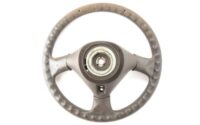
Top Features to Look for in a Steering Wheel Kart

Event Planning in Manchester: Benefits of Choosing Professionals

10 Traditional British Biscuits You Need to Try Before You Die
About The Author
